
Like any life change, adjusting to wearing a hearing aid can feel intimidating. At Virginia Ear, Nose & Throat, our audiologists provide expert hearing care, making the process as streamlined and stress-free as possible. We want to not only fit patients with the right devices, but also educate them on the different options prior to choosing to ensure long-term success. With the right choice, your devices will improve everyday communication and enable you to continue enjoying the things that you love.

Finding Your Best-Fit Hearing Aid
Modern digital hearing aids deliver exceptional sound quality and clarity. They can be customized for nearly every degree of hearing loss and feature advanced technology that helps reduce background noise, making conversations easier, even in challenging environments.
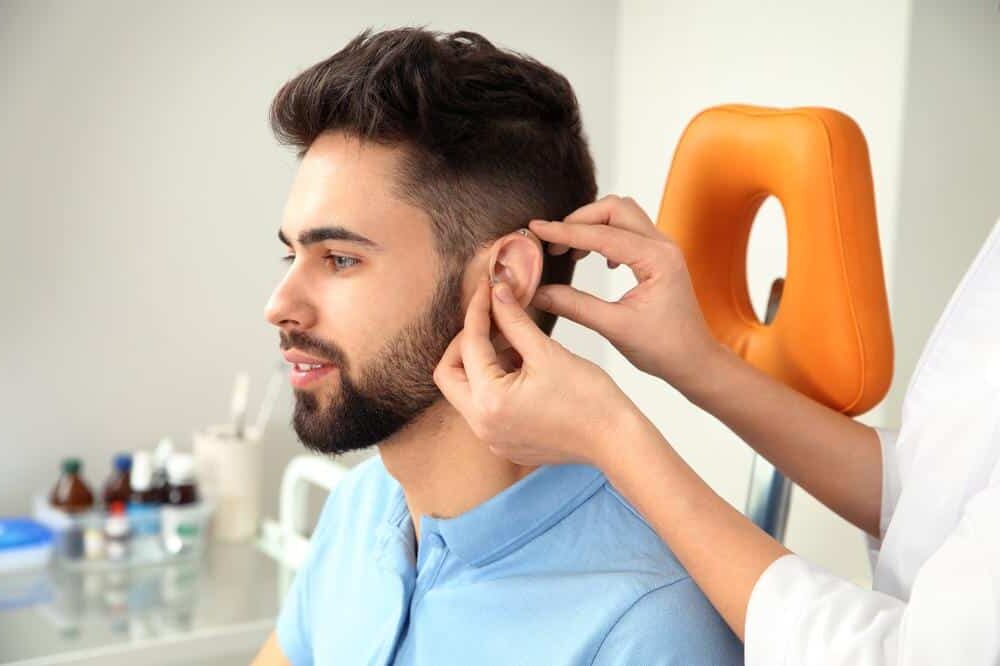
Key Features to Consider:
Your Virginia Ear, Nose & Throat audiologist will help you choose the features that best fit your hearing needs and lifestyle.
Choosing Your Hearing Aid Style
Hearing aids come in a variety of styles, each offering unique benefits depending on your hearing loss, dexterity, and cosmetic preferences. Your audiologist will guide you in selecting the right fit.
Completely-in-the-Canal (CIC)
In-the-Canal (ITC)
In-the-Ear (ITE)
Receiver-in-Canal (RIC)
Open Fit Behind-the-Ear (BTE)
Standard Behind-the-Ear (BTE)
Your Virginia Ear Nose and Throat audiologist will help you choose the style and technology that best fits your hearing needs, comfort preferences, and lifestyle, so you can enjoy clear, confident hearing every day.
Find the Hearing Aid Style for Your Needs in Richmond, VA
At Virginia Ear, Nose & Throat, we understand that every patient’s hearing needs are unique. Our expert audiologists take the time to evaluate your hearing, discuss your lifestyle, and recommend the hearing aid style and technology that best fits you. Whether you’re looking for discreet in-ear options or advanced Bluetooth-enabled devices, we’ll help you find a comfortable, effective solution designed to enhance your hearing and quality of life.
Call us today at (804) 484-3700 to schedule your hearing consultation and take the first step toward better hearing and clearer communication.